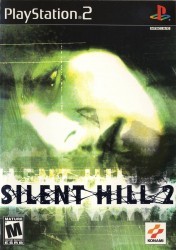
Silent Hill Rom
| Console | Playstation 1 (PSX) Roms > ROMs |
|---|---|
| Publish | 13 Jul 2026 |
| Emulator | PSX Bios (SCPH1001.bin) |
| Genre | Horror |
| Region | USA |
| Size | 323 MB |
| Format | .bin |
| Downloads | 837 |
The Silent Hill PS1 ROM comes from Konami’s original 1999 PlayStation release and can be loaded by a compatible emulator on Android or PC. It tells the first version of Harry Mason’s story, not the later Shattered Memories reinterpretation or a remake. The measured movement and shifting camera belong to the old console design rather than changes made for emulation.
Silent Hill wears its PS1 origin openly. Fog erases the far end of each road, characters have the rough shape of early 3D models, and the town rarely allows a clear look ahead. A pocket radio often reacts before anything appears on screen. Seeing less is part of how the game works.
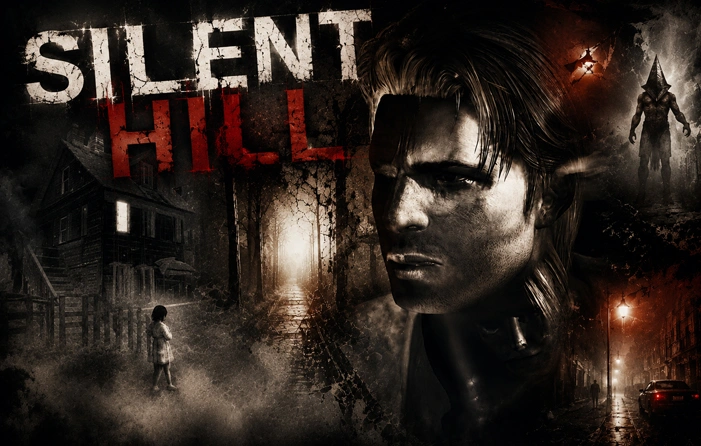
Static Before Sight
Harry arrives in Silent Hill after a car accident and discovers that his daughter Cheryl is missing. Through the fog, he catches sight of someone who looks like her and calls out. The figure keeps moving. Harry follows until the car is far behind him, then reaches an alley where the walls and the route back begin to change.
The search becomes less direct once Harry returns to the streets. Roads end at collapsed sections, gates refuse to open, and a destination that looks close on the map may require a detour through another neighborhood. The map shows the layout of Silent Hill without drawing a convenient route through it.
The radio has no station to tune. Once collected, it breaks into static whenever a creature is nearby. The noise may begin while the fog still hides the road ahead or when the camera is facing the wrong side of a room. Harry receives a warning, but no explanation.
His flashlight solves only part of the problem indoors. The beam illuminates whatever stands directly in front of Harry while the rest of the room remains dark. Turning it off can make him less noticeable to certain creatures, though doors and useful objects then become harder to find.
Midwich Elementary School introduces puzzles that belong naturally inside the building. A riddle is linked to a piano with silent, bloodstained keys. Other locked areas depend on objects found in classrooms or passages that initially appear unrelated. Reading a document properly can matter more than searching the same corridor again.
Combat does not turn Harry into an action hero. His aim is uncertain, running leaves him short of breath, and a missed melee attack places him within reach of the enemy. Open streets usually leave room to escape. Inside the school or hospital, a narrow hallway can make fighting unavoidable.
The town does not remain in one condition for long. After the siren sounds, ordinary walls may give way to rusted metal, grating and darkness. A familiar corridor can return with another route through it. Harry still knows the building, but that knowledge is no longer enough.
Sound becomes especially unsettling during these changes. A metallic impact may come from somewhere beyond the flashlight, followed by a stretch of silence. The game often delays the creature instead of showing it immediately. Waiting for something to enter view creates more tension than a constant series of attacks.
Several endings depend on actions taken away from the most direct path to Cheryl. Silent Hill does not place these decisions inside a final dialogue menu. An optional building or encounter may appear unimportant during the first playthrough and prove meaningful much later.
Knowing the school route on a second run leaves more time to investigate those missed areas. The game also contains a hidden joke ending that has little in common with the serious tone of Harry’s main journey.
The Fog Beyond the Original PlayStation
Silent Hill remains readable on a phone because important threats are often communicated through sound rather than distant visual detail. Headphones make the radio easier to notice and preserve the abrupt contrast between quiet corridors and industrial noise. The smaller display does not reveal what the fog was already designed to conceal.
Touch controls need a little preparation before combat. Harry must ready a weapon and then attack, so placing those buttons far apart creates an unnecessary reach. Exploration is less demanding, but an uncomfortable layout becomes obvious as soon as a creature blocks a narrow passage.
A controller is useful for longer sessions, though the game does not rely on complicated button combinations. Harry spends much of his time opening doors, reading documents and checking the map. Fights are brief. The longer worry is walking into a corridor without knowing where it ends.
Notepads on desks act as the normal save points. They are not placed at every doorway, which can be awkward during a short session on Android. An emulator save state is useful when the phone has to be put away halfway through a floor. Continue from it later, then use the next notepad as usual.
Higher internal resolution can sharpen the outline of buildings, but the textures and character faces will continue to show their PlayStation age. Heavy filtering may blur those details instead of improving them. Some roughness suits a town where objects are rarely meant to look completely clear from a distance.
Eventually, the radio will interrupt an empty street and nothing will appear at first. The screen may be smaller and the console may be gone, but those few steps through the fog remain uncomfortable.
![Run Silent Run Deep (1985)(Acorn User)[SILENT Start] Rom](https://hexrom.com/images/icon/n/nocover.jpg)