Aladdin
| Console | ROMs > SNES Super Nintendo |
|---|---|
| Publish | 11 Jul 2026 |
| Genre | Adventure |
| Region | USA |
| Size | 806 KB |
| Format | .sfc |
| Downloads | 523 |
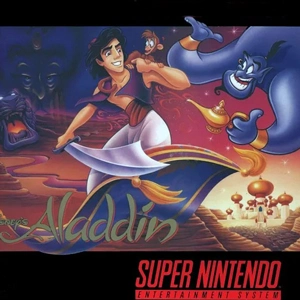
The Aladdin SNES ROM is the USA release of Capcom’s 1993 Super Nintendo game. It can be loaded with an SNES emulator on Android, Windows, or another system that supports Super Nintendo emulation. The North American edition is in English and retains the original password system. After extracting the archive, select the ROM from the emulator’s game menu. Save states are optional, but they can be handy during the faster carpet stages.
This is not the sword-fighting Aladdin made by Virgin Games for the Sega Genesis. Capcom released a different game for the SNES during the same year. Aladdin carries apples instead of a blade, and most of his useful moves come from climbing, bouncing, and finding a way around whatever stands in front of him.
No Sword, Just a Very Nimble Aladdin
Aladdin deals with guards by jumping on their heads or hitting them with an apple. Apples only stop an enemy for a short time, and the supply can run out. Sometimes the sensible move is to stun a guard and keep going. Elsewhere, that same guard becomes a stepping stone to a ledge that seems out of reach.
The stages make good use of Aladdin’s movement. He can grab platform edges, swing from poles, spring from different objects, and pull himself onto higher ground. A missed jump does not always mean falling immediately; catching the lip of a platform can save it. That small detail makes the controls feel more forgiving without removing the need for timing.
The safest path usually leads forward, but it does not lead to every red gem. Many gems sit above awkward jumps or along routes that are easy to miss while running through a stage. Hearts replace lost health, while extra lives and continues give the player more chances after a bad section. Catching the scarab released from a treasure chest opens a brief Genie bonus game with additional rewards.
Agrabah Opens Into Stranger Places
The first stage runs through Agrabah’s market and rooftops. Guards, ropes, awnings, and narrow platforms introduce the basic controls without a long tutorial. The city soon gives way to the Cave of Wonders, where the footing becomes tighter, and hazards leave less room for a careless landing. Then the carpet takes off.
During the escape from the cave, the screen keeps moving as Aladdin flies above rising lava and avoids the rocks ahead. It is a sharp change from the rooftop stages, where there is time to study the next jump. A later carpet ride with Jasmine is calmer and uses “A Whole New World” as its musical backdrop.
Inside Genie’s lamp, the scenery becomes far less sensible. Giant objects, bright shapes, and Genie-themed platforms replace Agrabah’s stone buildings. The Ancient Pyramid brings back narrower passages and concealed routes before the journey reaches Jafar’s palace. Boss battles appear at key points, with the final encounter requiring careful jumps over direct combat.
Small Details Carry the Film
The main events are easy to recognise even though the game does not retell every scene. Aladdin begins in the streets of Agrabah, enters the Cave of Wonders, finds the lamp, and eventually confronts Jafar. Each part of the story is kept short enough to make room for another style of stage.
Aladdin’s sprite also does more than run between platforms. He reaches for ledges, steadies himself near an edge, and reacts with quick comic gestures. Guards and other characters move with the same playful tone. These touches give the game some of the film’s personality without relying on long dialogue or extended cutscenes.
The USA ROM contains Capcom’s original English SNES release, including its stage order, passwords, music, collectables, and movement-based combat. That last part is what separates it most clearly from the Genesis game: this Aladdin survives Agrabah with quick feet, a few apples, and no sword at all.


.jpg)


(Artic Computing).jpg)